
Home/Discover Camp de Tarragona

A Competitive Mediterranean Metropolis

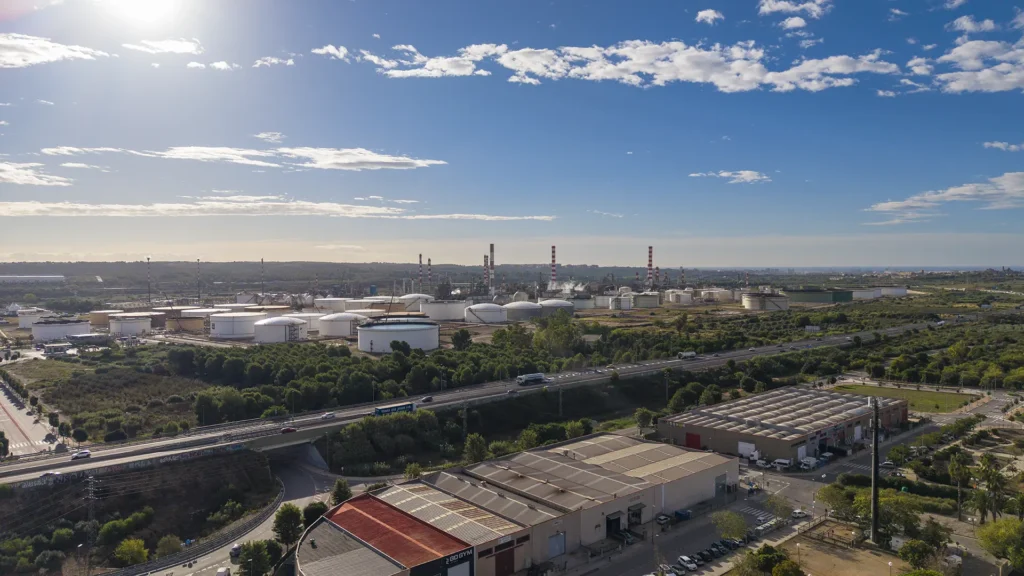
More than half a million people, a diversified economy, and an exceptional concentration of industry, talent, and infrastructure position Camp de Tarragona among the most competitive metropolitan areas in Southern Europe.

+500,000 residents in the benchmark metropolitan area

€16,982M in gross value added across the three comarques

27.3% of gross value added is industrial, representing a distinctive specialization

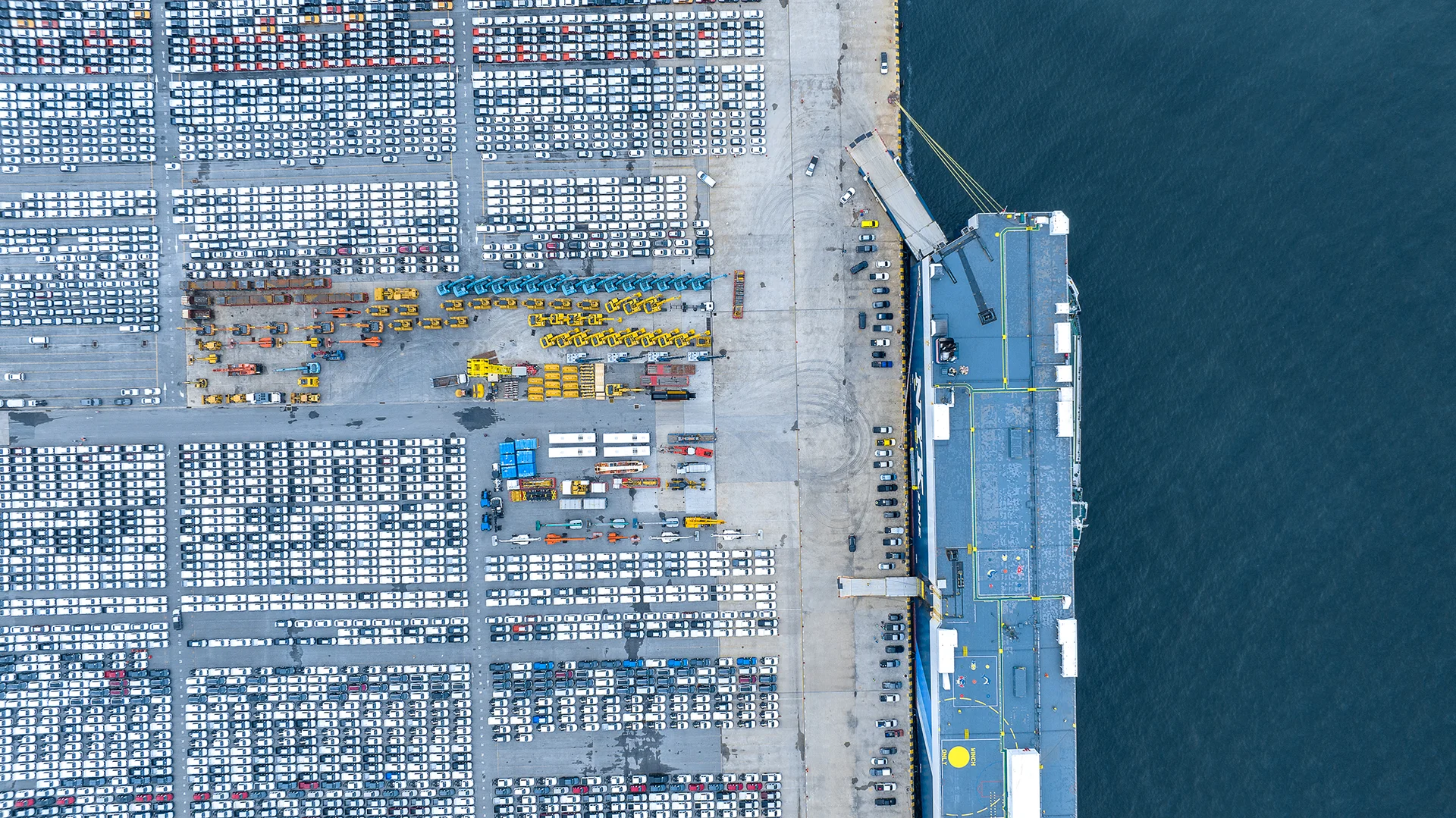
32.3M t of annual throughput at Port de Tarragona

Data from Idescat and Anuari Econòmic Comarcal, 2025. View the territory in figures →

The Metropolitan Area

A Territory That Combines Strengths

Camp de Tarragona functions as an integrated network of connected cities and municipalities. Every day, people, businesses, knowledge, and services move across municipal boundaries, creating a shared economic and social reality.

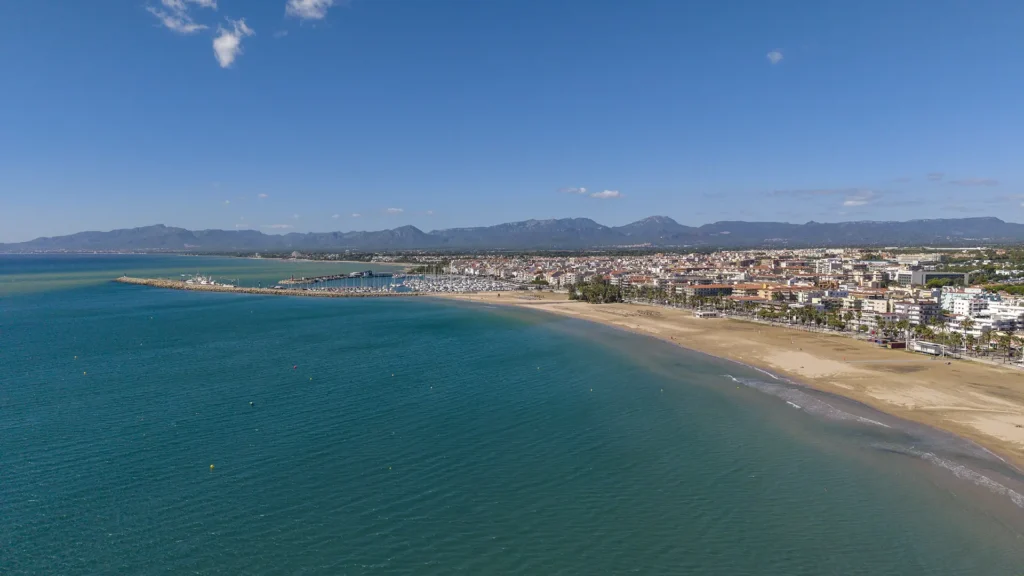
Tarragona and Reus anchor a polycentric system extending toward the coast and the inland area. Valls, Cambrils, Salou, and the remaining municipalities contribute complementary specializations and strategic assets.

A compact, accessible, and connected territory.

Explore the Metropolitan Area

Explore the Territory

Metropolitan scale, data, connectivity, heritage, and quality of life. Five entry points to understand what makes Camp de Tarragona competitive.

The Metropolitan Area

A polycentric system of cities, coast, and inland areas with over half a million residents.

View section →

The Territory in Figures

Population, land area, and economic structure of a metropolis generating nearly €17 billion.

View section →

Connected to Europe

Seaport, airport, high-speed rail, and road network along the Mediterranean Corridor.

View section →

Points of Interest

From the imperial legacy of Tàrraco to the modernisme of Reus, castells (human towers), and wine landscapes.

View section →

Quality of Life

Mediterranean climate, sea and mountains, culture, and high-level services: an asset for talent attraction.

View section →

CitiesCoastInlandCitiesCoastInland

A Metropolitan System of Three Comarques

The primary population center is concentrated in Tarragonès and Baix Camp, with Alt Camp acting as a strategic link to the inland areas.

279,332

Tarragonès

Tarragona, Salou, Vila-seca, Constantí, la Canonja

207,529

Baix Camp

Reus, Cambrils, Mont-roig del Camp, Riudoms

47,138

Alt Camp

Valls, Alcover, el Pla de Santa Maria, Vallmoll

Nationally and Internationally Connected

A Connected Territory.

Camp de Tarragona occupies a strategic position at the crossroads of the Mediterranean Corridor and the Ebro axis.

Port de Tarragona

32.3M t

A direct gateway to international markets with 915,000 m² of Logistics Activities Zone (ZAL).

Infrastructure →

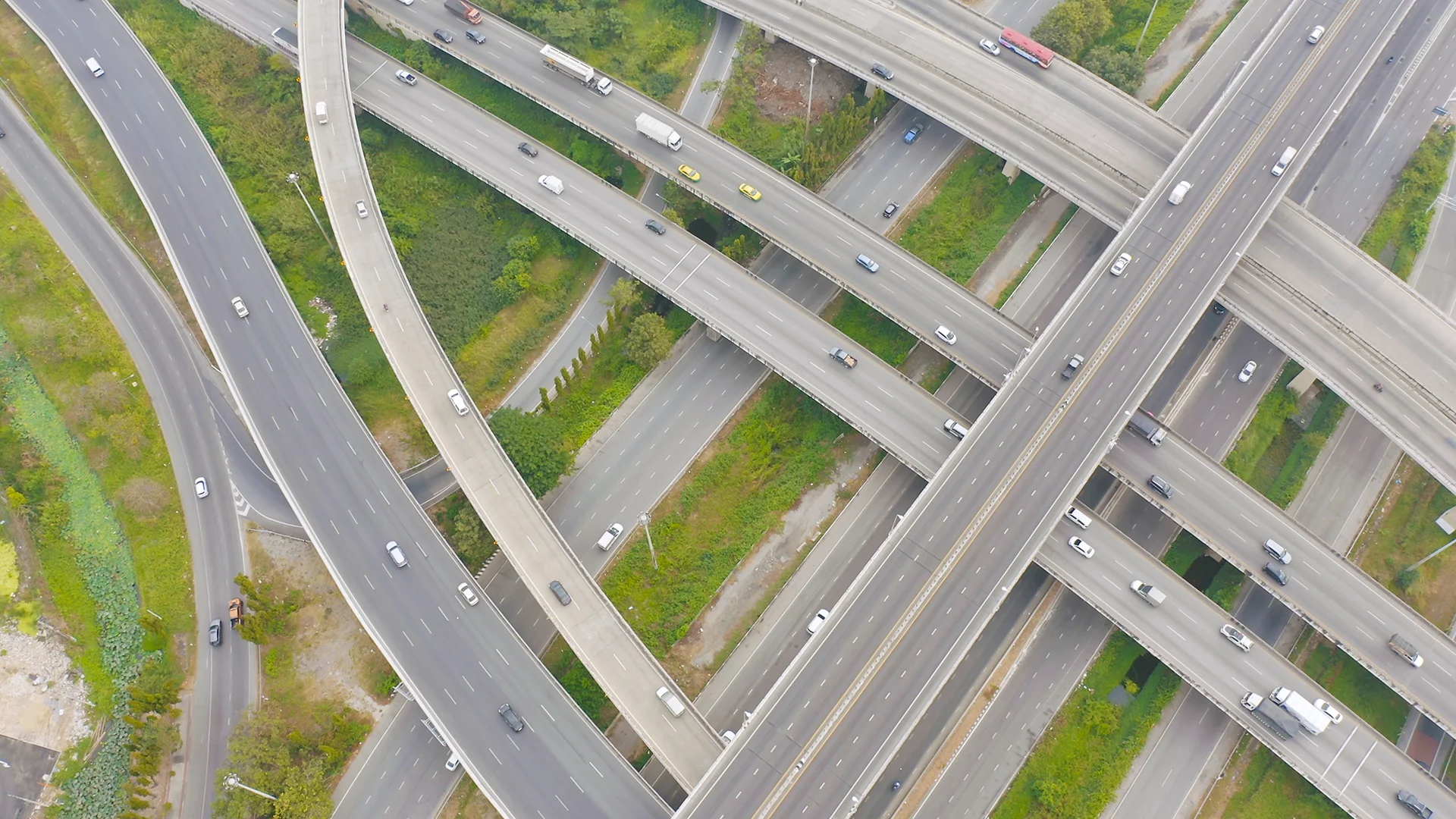
Road Network

AP-7 · AP-2 · A-27

Direct connection to the Mediterranean axis, the Iberian interior, and the Barcelona metropolitan area.

Infrastructure →

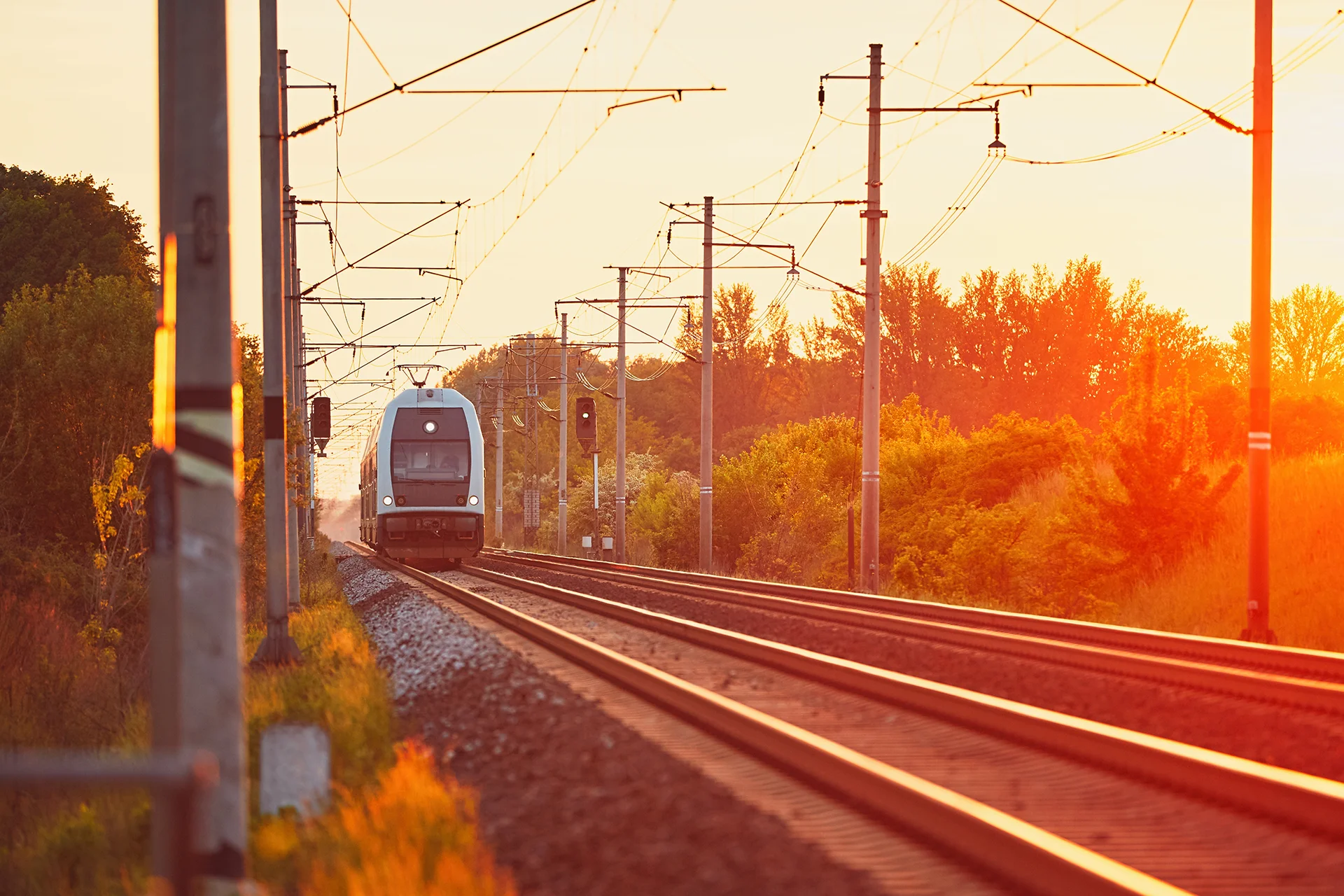
Railway

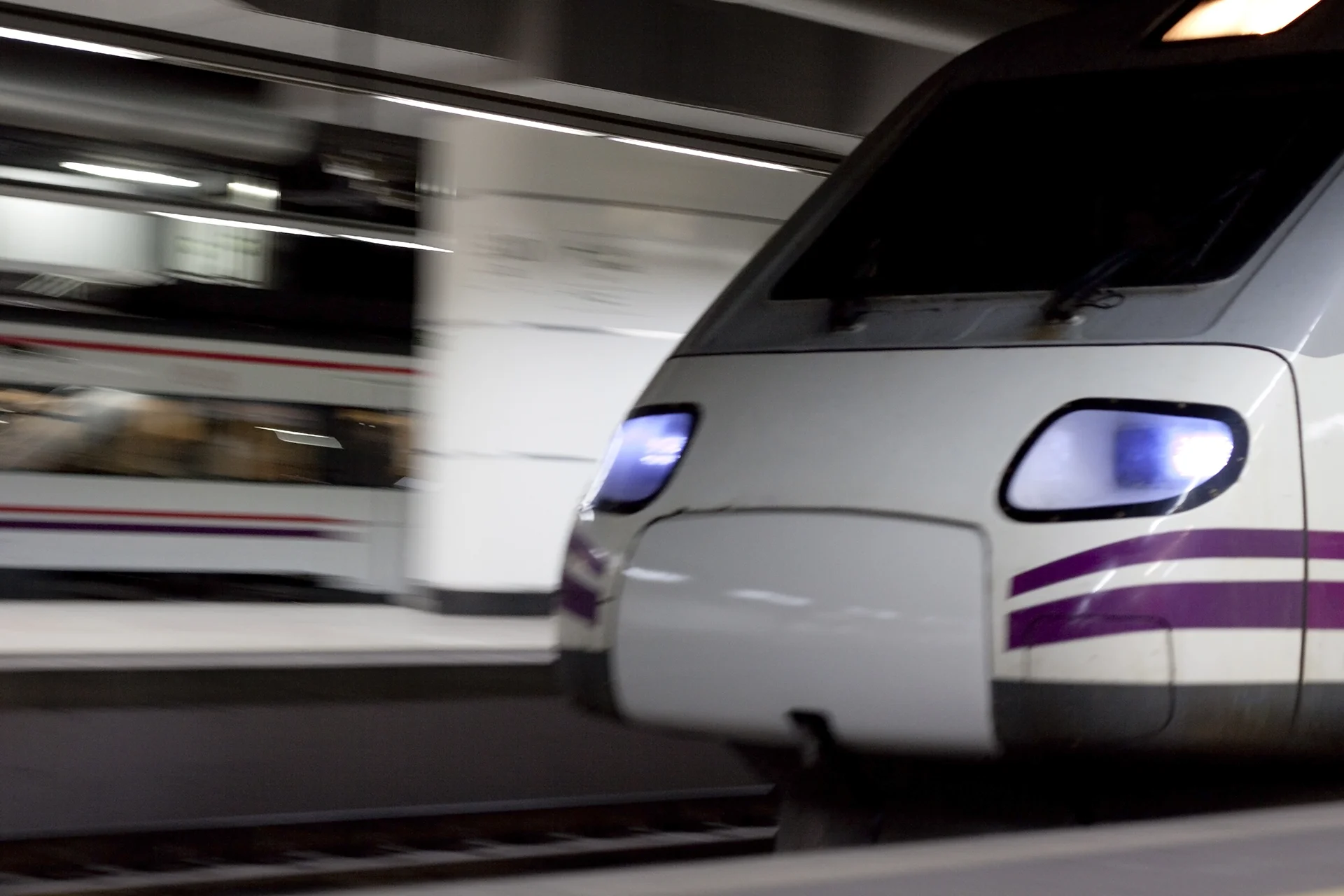
High-Speed Rail

Located on a major Iberian rail axis, with the Mediterranean Corridor currently under deployment.

Infrastructure →

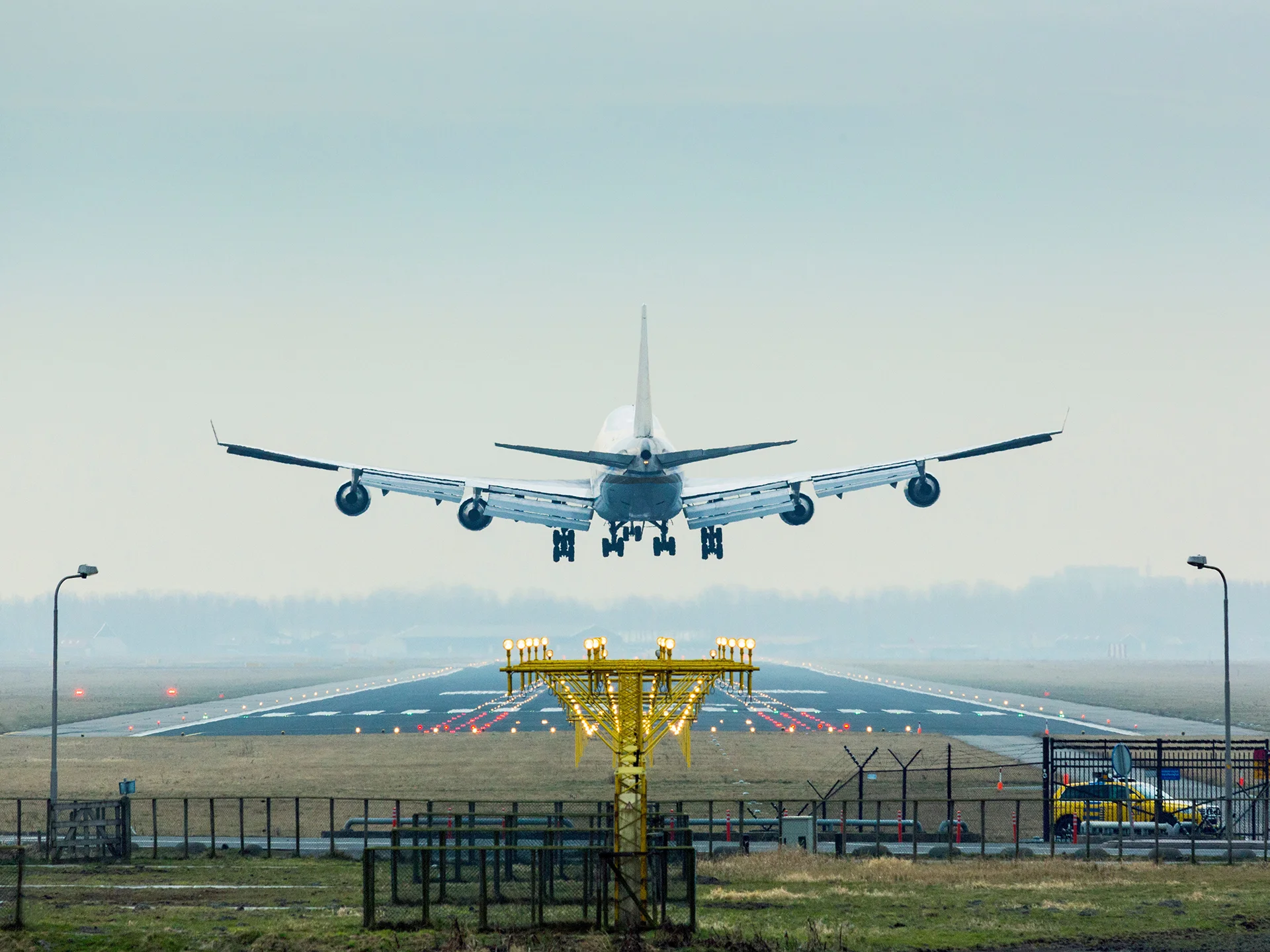
Aeroport de Reus

1.3M passengers

An international air gateway right on the region’s doorstep. 23,251 flight movements in 2025.

Infrastructure →

Points of Interest

Heritage, Landscape, and Identity

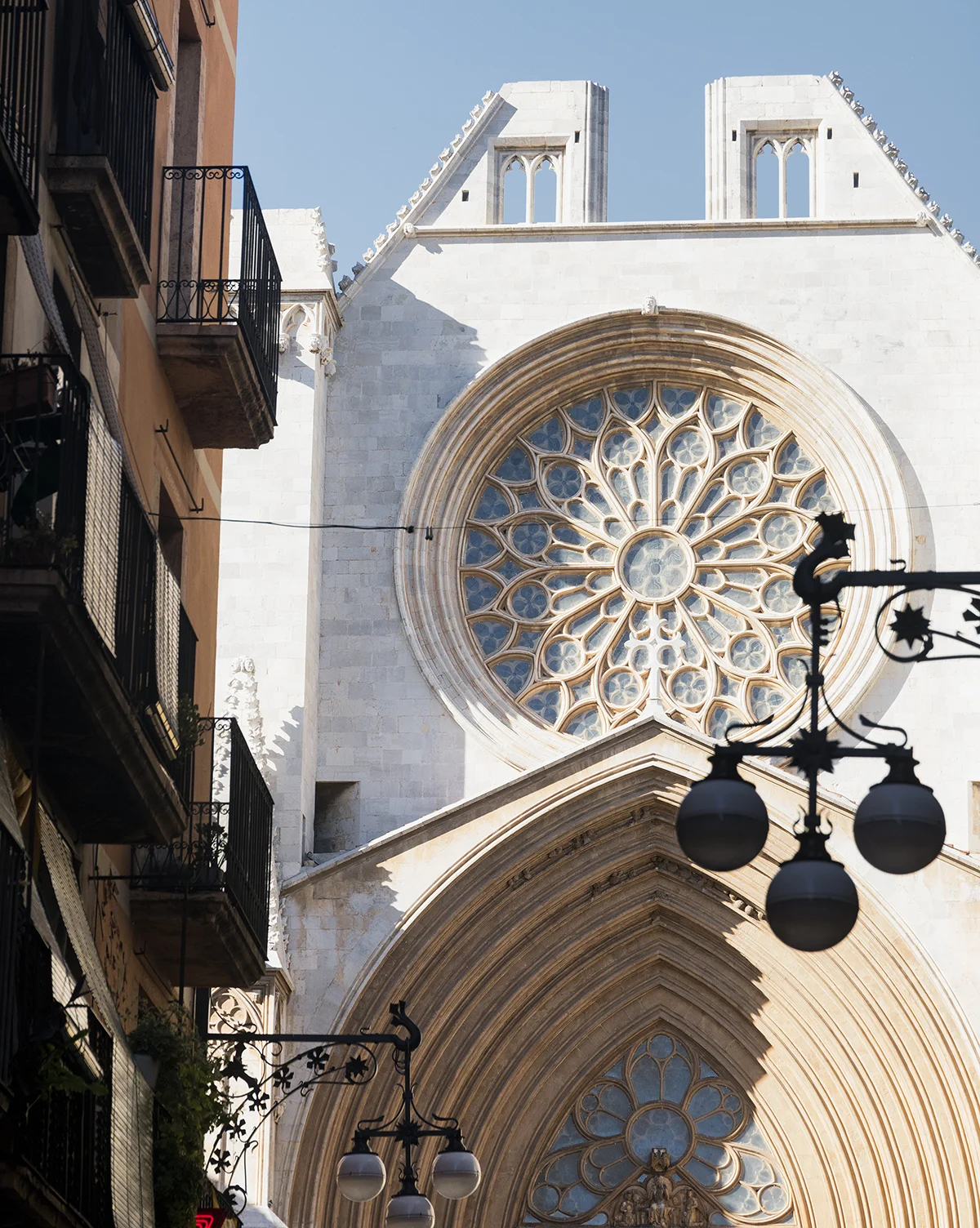
From the imperial legacy of Tàrraco to the modernisme of Reus; from castells to viticultural landscapes; from the Costa Daurada to the Muntanyes de Prades and Montsant.

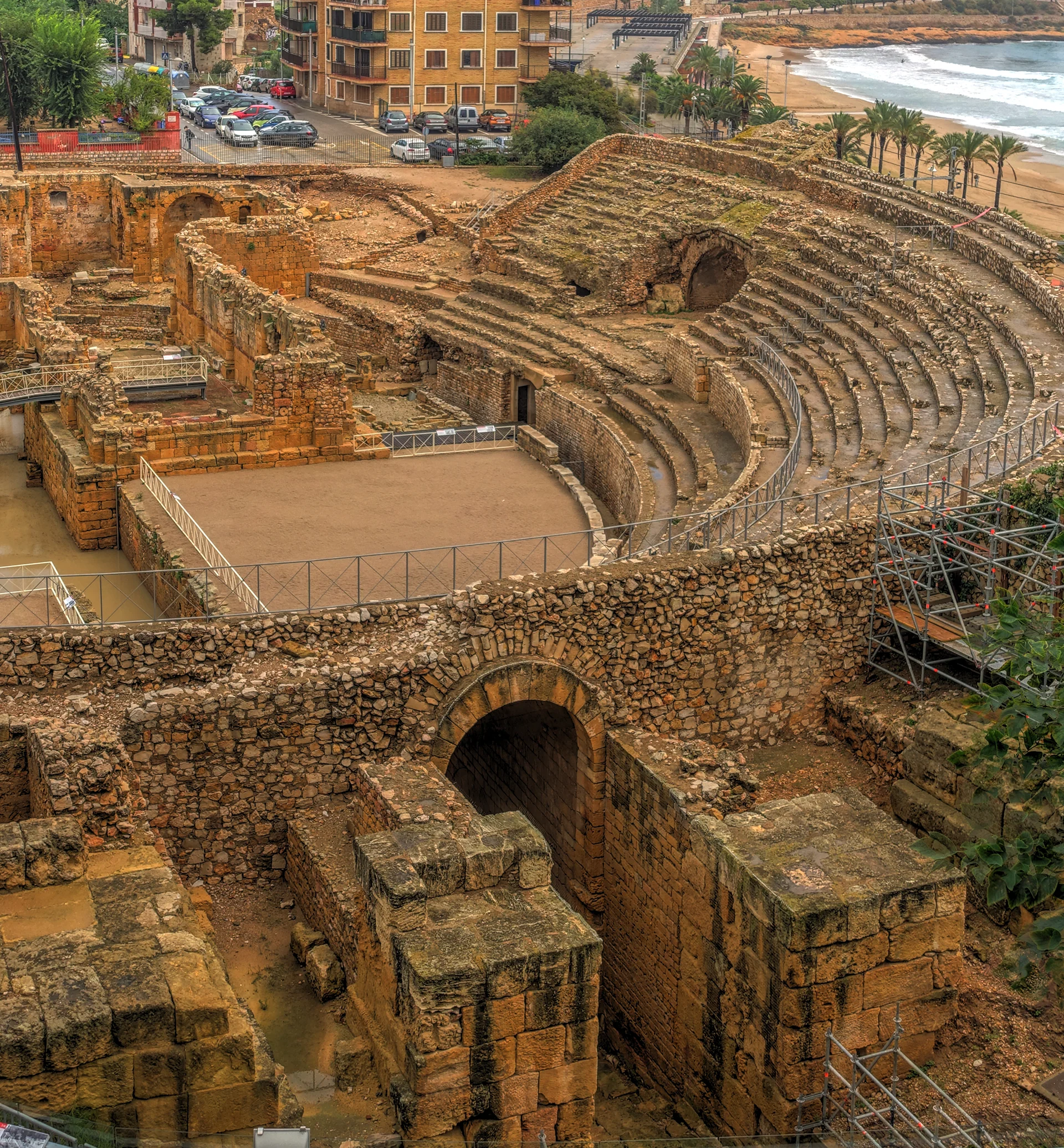
Millenary Heritage

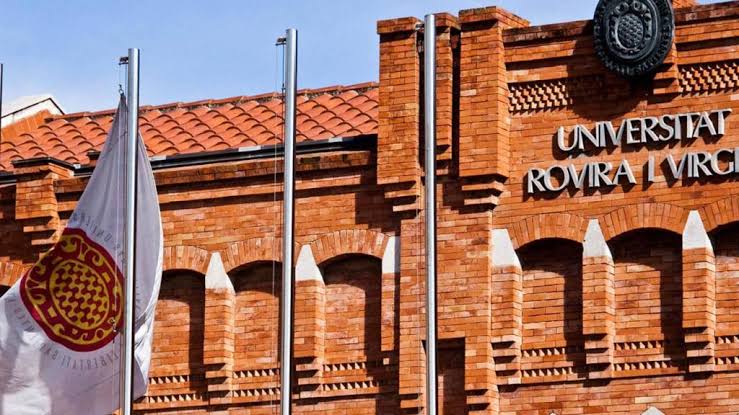
Ancient Tàrraco was one of the major capitals of Roman Hispania. Its archaeological ensemble has been designated a UNESCO World Heritage site since 2000.

Living Culture

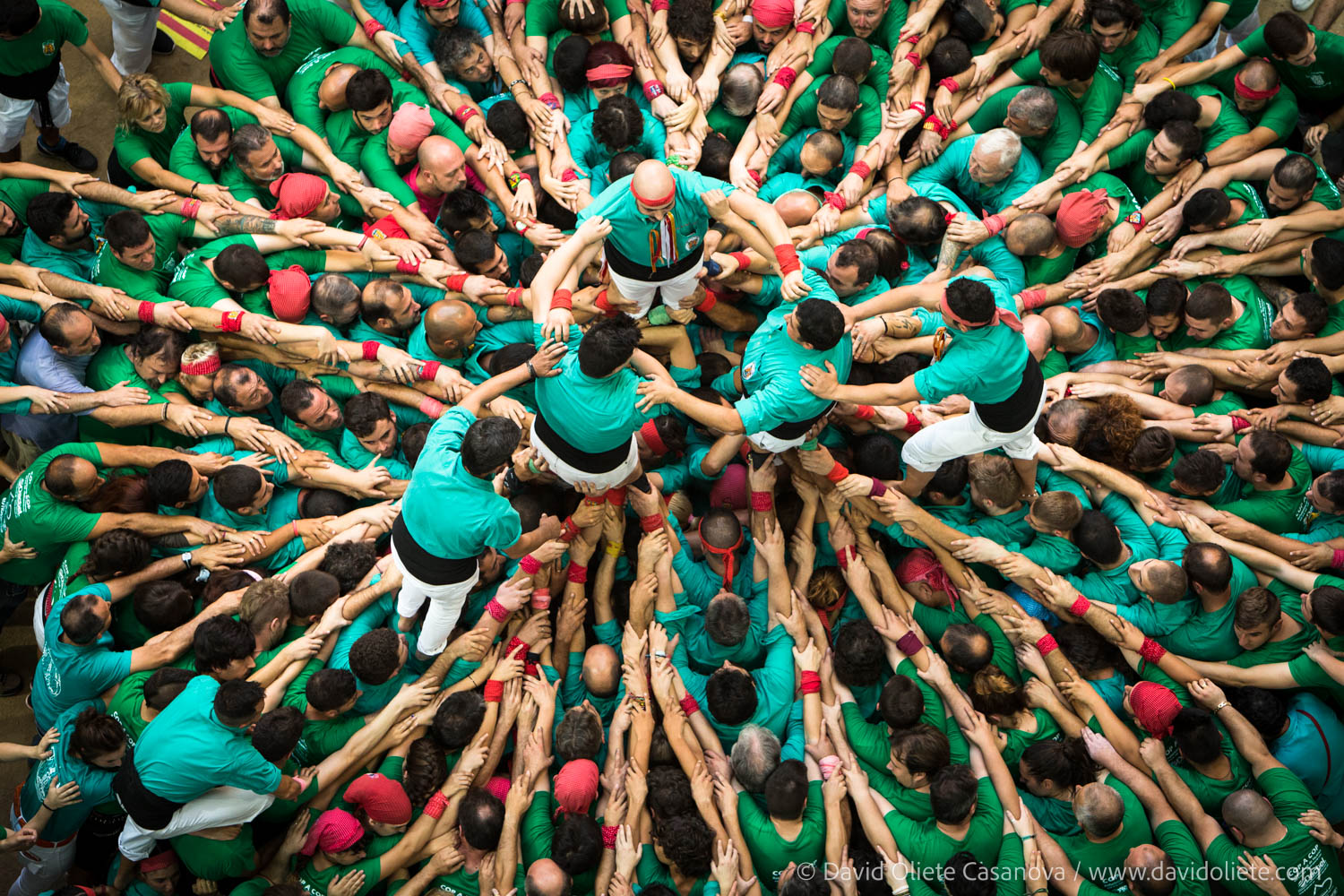
The castells (human towers), inscribed on the UNESCO Representative List of the Intangible Cultural Heritage of Humanity since 2010, have Tarragona and Valls as two of their most renowned settings.

Cities with Identity

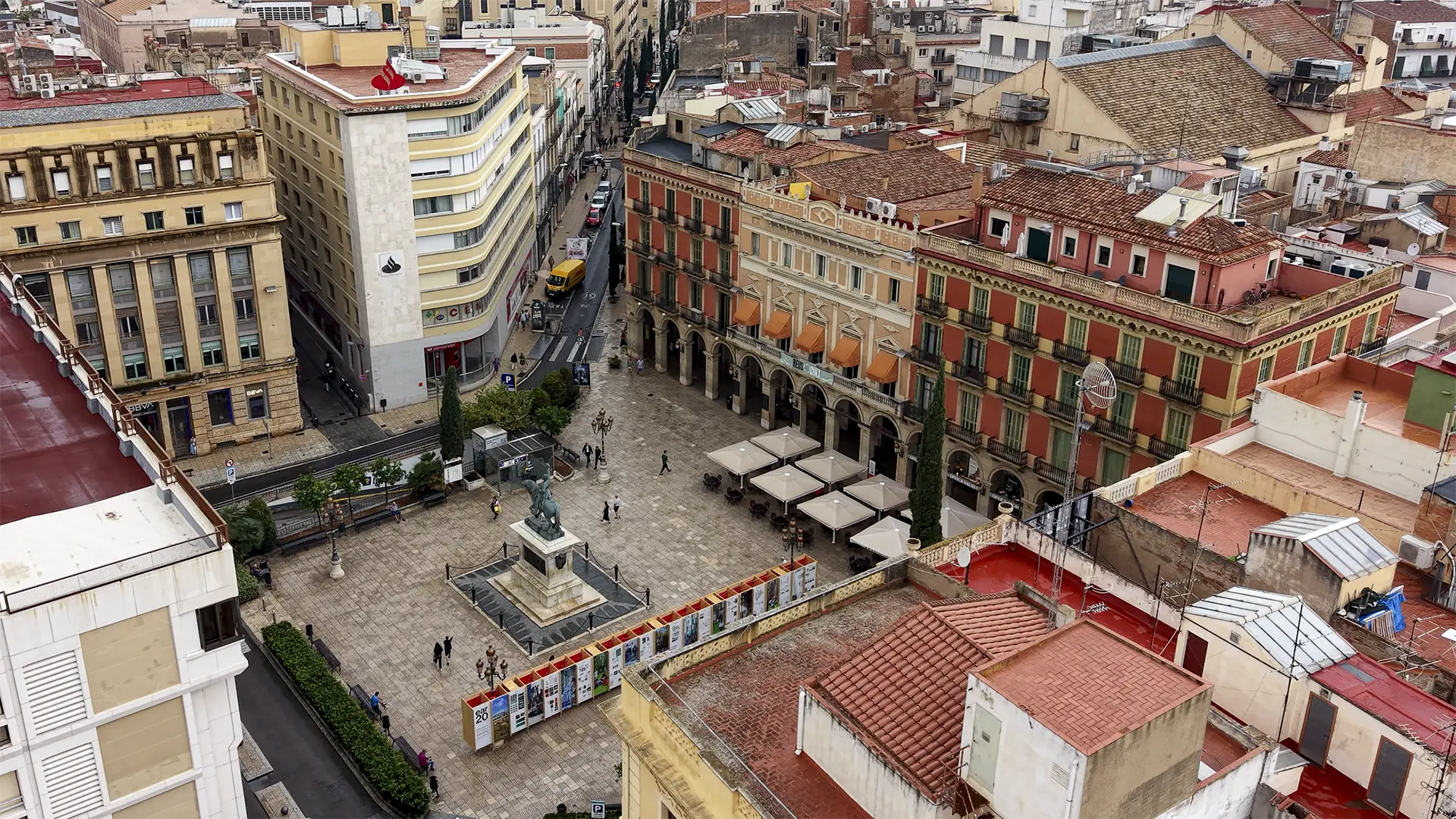
Reus contributes an urban heritage shaped by modernisme, commerce, and an entrepreneurial tradition that continues to define the city.

Distinctive Landscapes

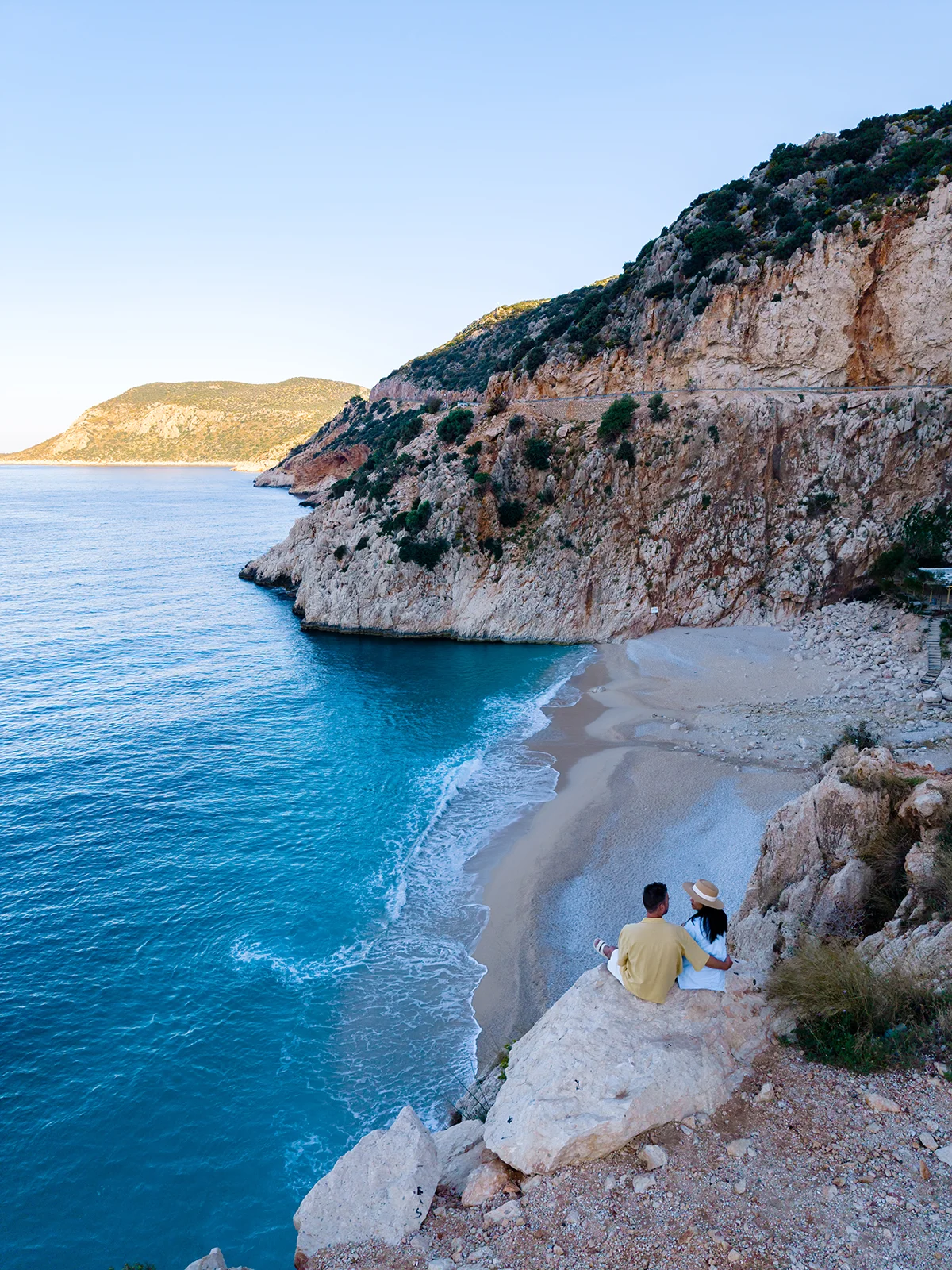
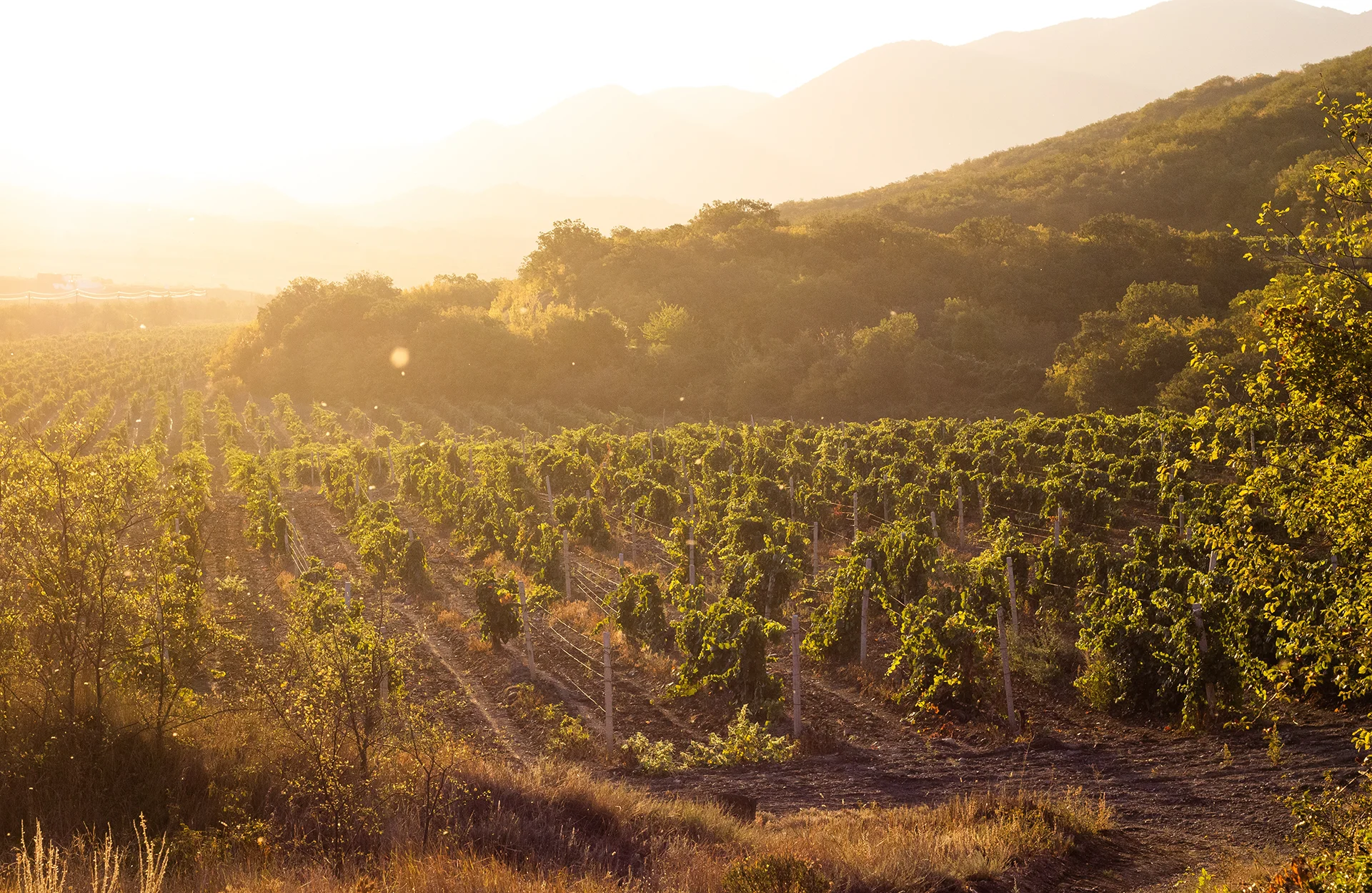
The coastline quickly transitions into the Muntanyes de Prades and Montsant. Viticulture is an integral part of the territory’s landscape, economy, and culture.

Quality of Life

A Competitive Asset, Beyond Scenery

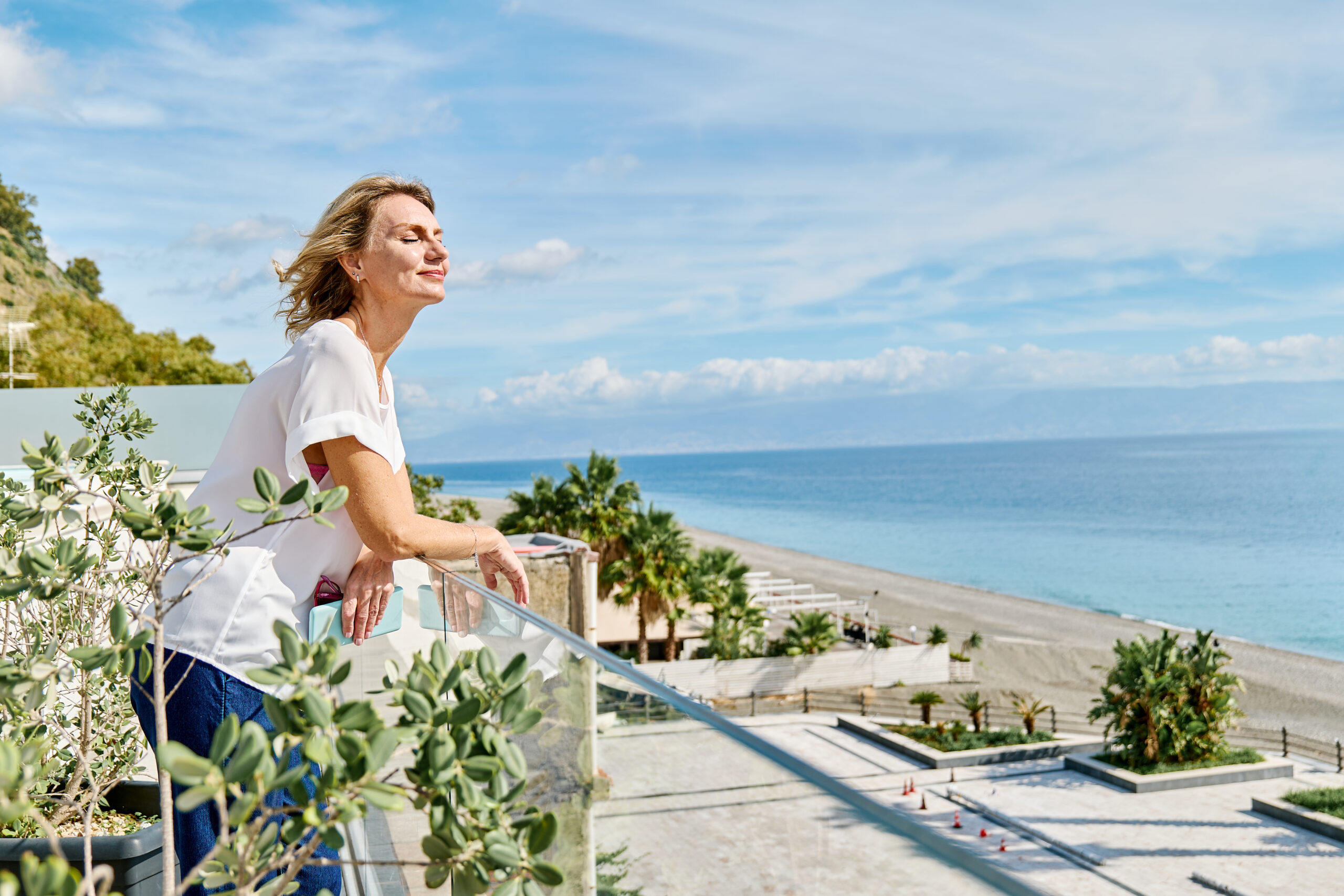
Working, investing, or developing a project also means choosing where to live. A Mediterranean climate, sea and mountains, cities offering comprehensive services, culture, and gastronomy in an accessible, human-scale environment.

300 days of sunshine per year
3,174 berths across ports and marinas
38 museums and collections
Explore Quality of Life

Discover Opportunities in Camp de Tarragona

Competitiveness, opportunities, and quality of life in a single territory. An ideal location to invest, work, grow, and live.